

Monsoon

Monsoons are more than just rainy days.  They are the wet season, the dry season’s counterpoint.  The rains are intense downpours, not drizzly affairs, and they sweep in ferociously. They are the annual water renewal that makes life possible.  Of course, that is changing along with the rest of the climate, but still.

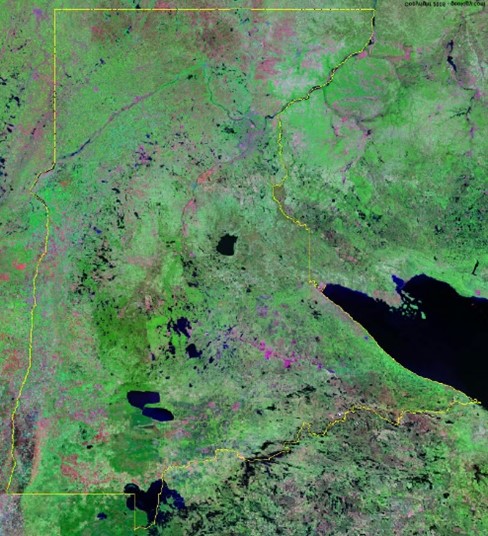
The small commercial plane carrying me, my two sisters and my parents pitched and rolled through the monsoon clouds on its way to a bumpy touch down in Dacca (now Dhaka) in East Pakistan (now Bangladesh) in 1962.  Below us were glimpses of the saturated great green delta, so prone to flood and cyclone.  After a disorienting drive through humid gray streets, we arrived at our temporary house and wondered what the future held.

There was air conditioning.  The house had some servants assigned to it, dressed in loose white cotton.  Michael the cook served us rice pudding for dessert and he had a pet Alsatian dog with small puppies we couldn’t play with. My sisters sneaked sips of purloined crème de menthe from a preceding plane flight while my parents had their grownup discussion in another room.  I would later hear my mother summarize this as, “what god-forsaken place have you brought us to?”

That first impression was hardly improved when we awoke the following morning to find our house essentially an island in a dull watery lake.   The tanks (manmade water catchment ponds) had overflowed, the road runoff had overwhelmed the ditches on the side which served as open sewers, and we were going nowhere until the waters receded.  Michael and the rest of the crew were nonetheless unfazed, and we were soon visited by the cheerful and chaotic family across the street, the one we were replacing with our two-year posting. Welcome!

The monsoon season passed and the land dried up. Our new life developed its routine. We moved to a new house, the kids started school, met new people, got to know the city better. We ate dry season vegetables of pumpkin and okra. It was still hot.  Always humid and hot.

One sweltering day, I walked a few blocks over to visit my friend Pam..  She was blond and freckled, energetic, a year behind me in school and cursed with an obnoxious younger brother named Larry.  Her parents weren’t home.  She showed me how to make burnt-sugar candy in a frying pan, maybe a little too burnt, maybe sticking to the pan too much.  Uh oh.  To get out of the heat of the kitchen, she led us up the stairs to the flat roof for a bit of breeze.

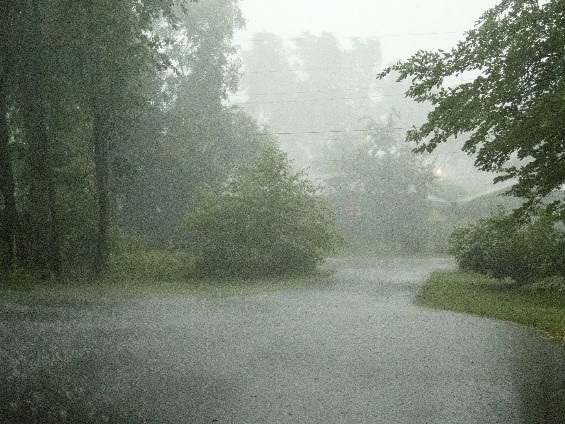
Red-faced and overheated, I stepped outside and turned towards a quickening wind with an unexpected freshness.   The clouds had become very dark and we felt the weather turn.  And then it came, the astonishing wall of water, heavy drops sweeping across the roof, starting at one edge and swiftly advancing in a distinct line, a knife-edge front.  It raced forward and then washed over us, quenching our heat, giving relief, making us giddy.

Hooray, the rains are back!
Canoeing vacation with an exciting intervening rain

Namekagon river, Wisconsin

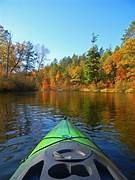
What could be more glorious than a weekend on the Namakagon River in Wisconsin? A group of female nurses, myself, my 12-year-old daughter and her friend, Emily,  drove under a bright sky across rich agricultural land through the St. Croix river’s national forest finally stopping at a roadside rest over the river. Our group planned a weekend canoe trip. We portaged the canoes down the banks of the river to a camping spot. The weather promised us a wonderful weekend where we could cook, play, swim, and paddle. We did not anticipate the storm that split our weekend holiday,

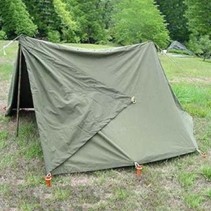
An idyllic spell filled our first two days with laughter, luscious recipes, and camaraderie. The canoe trips through scenic passageways and smooth rapids lived up to their amicable reputation. The small tents with their sleeping bags spread over drop cloths warmed us in the cool Wisconsin night.

We prepared for the last glorious night with an array of homemade specialties eaten at a campfire with plenty of hot chocolate. Except for me it was an all-female evening with no booze or awkward relationships. Just as we were closing, a sudden unexpected legion of dark clouds, wind and lightning threatened our evening. Before we could repack the dishes, the storm broke. The deluge of rain threatened to flood and knock over our tents. The ground cloths that were to provide a soft surface for the sleeping bags became drowned in running water, thus providing the campers with wet chambers.

I hurried the children into our tent. Then fled out to get the last cups of hot chocolate to warm them up as well as calm them down. They cried out that they were too cold to sleep.

I told them to shut their eyes while I told them a story. “Concentrate on my voice, fall into the story, fall asleep.”

I had much practice in this technique with my daughter. I often told her Morpheus inducing bedtime stories which I read, plagiarized, or came from my own inspiration.

So, I began. Once a storm struck a boat filled with children. Fortunately, it was near a small island and was able to crash on the shore. The children were wet and frightened. However, they spied a light house on the cliffs above. Struggling up to the door, they found it was open. And warm. They climbed to the top where they could observe the lightning and listen to the wind in safety. Old blankets for the lightkeeper were found in a closet. They curled up to sleep.

But, before dawn, they heard animal noises on the stairs. Rats who had also been on the boat were also seeking refuge in the lighthouse. They were scared.

By now my children had fallen asleep. In the morning, my daughter complained that she did not hear the end of the story. She asked me what happened to the children and the rats. Since I had been watching my daughter and her friend gradually fall asleep, I had not planned an ending.

I could have assuaged their fears by saying that along with rats were the cats also kept on the boat. These cats came up the stairs to eat the rats.

Or less grim, as the dawn arrived, the rats ran back to their burrows to get a good day’s sleep.

Or I arrived to save them.

In the morning we pulled our canoes through the muddy slope to the river to the cars above. We drove back the way we came into the sunlight, across the prairie, and to homes with warm beds. The storm, like the trip, became an adventure in itself.