I imagined his job consisted mainly of dealing with The Bucking Bronco Boys
Read More
On Principal




I imagined his job consisted mainly of dealing with The Bucking Bronco Boys
Read More
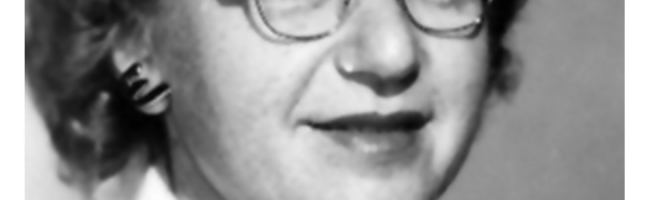
It takes a long time to learn gratitude. When I look back and recall some of my schoolteachers, I’m sorry I never took the time to thank them — to let them know their hard work made a positive impact that still reverberates in my life.
I wish, sometime before she died, I had located my third-grade teacher Mrs. Shaffer. Picture a vivid personality, bright-red hair, a clarion voice, and take-charge personality. Mrs. Shaffer is an East Coast Jew, a bit of a Shelley Winters type — and therefore out of place in WASPy 1950s West Covina. She has moxie; she knows who she is.
As a kid I like her very much: She’s sassy and peppy and outspoken, but warm and caring beneath the brass. At our school there’s something called the “freeze bell” which rings loudly at the end of recess and requires students to stand completely still for 15 seconds and then walk — not run! — back to our classroom. One girl is making faces for the amusement of her friend. Mrs. Shaffer, the teacher on playground duty, quickly approaches and admonishes her. I can’t hear what the girl says in return but Mrs. Shaffer shouts back, “Young lady, it’s time you learn how to speak to your elders and superiors!” It sounds harsh and dictatorial but in the moment I’m impressed by Mrs. Shaffer’s quick comeback and command of language. It feels like a scene from a movie.
Mrs. Shaffer teaches us penmanship, and endeavors to foster a love for reading. One day she has us read a short biography of Abraham Lincoln, with the assignment to summarize it in writing for class. “Eddie, did you write this yourself?” she asks me the next day. “Yes,” I answer, a bit puzzled by the question.
“Well, it’s very good,” Mrs. Shaffer says. She’s the first person to tell me I have writing talent. I still remember how good that felt.
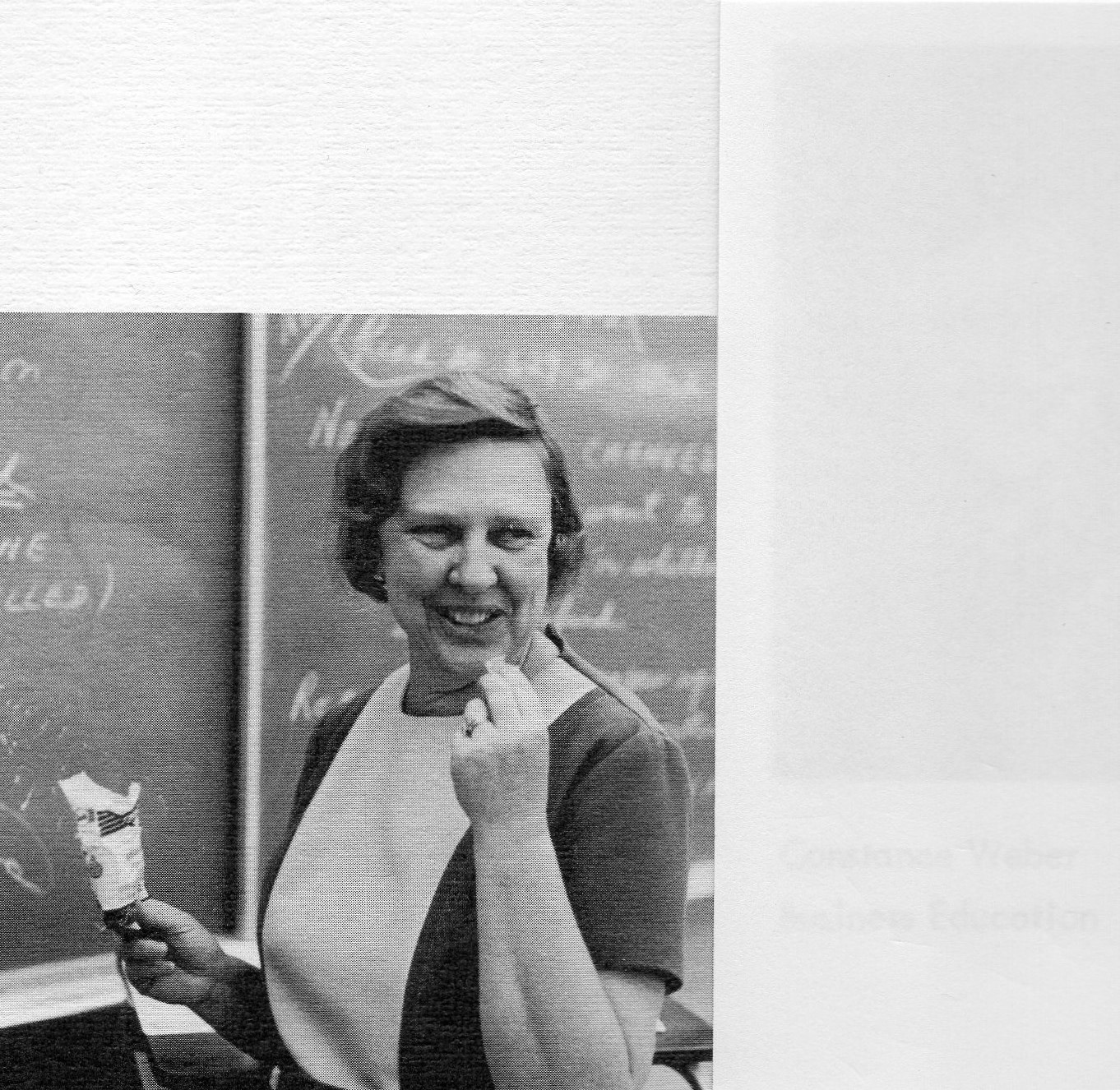
Mrs. Browning. Her dedication and discipline still inspire me.
Fast-forward nine years. I’m a senior in high school and Mrs. Browning is my English teacher. Quiet and conscientious, she’s a totally different personality from Mrs. Shaffer but similar in that she’s all business. She’s divorced and raising two teenage daughters while teaching five or six classes a day. I get the feeling she’s lonely, was probably hurt deeply when her marriage ended.
I imagine her going home to fix dinner each night for her daughters, asking how their day went and staying up late to grade papers and write lesson plans at the dinner table. The next morning she’ll dress quickly, fix breakfast and dash off to school. She is undeviating in her professionalism and devotion to teaching.
Mrs. Browning isn’t chummy. She doesn’t gossip, curry friendships with students or ask personal questions like some teachers do. Consequently, she doesn’t inspire the affection that the light-hearted, “cool” teachers do. But in retrospect, I appreciate her and know I learned more from her than from any other two or three instructors combined. She doesn’t nag or call out the slackers in class, but treats us as adults and expects us to step up and do the work correctly. She gives detailed instructions on how to write a term paper: where to type the footnotes, bibliography and index. She sets a timetable for completing each task. I miss several deadlines — it takes me years to develop a fraction of her discipline — but the example she sets never leaves me.
I never got the satisfaction of thanking Mrs. Shaffer or Mrs. Browning in their lifetimes. But three years ago when I opened a Facebook page called “You Know You’re From West Covina If…,” I saw an old photo of my seventh-grade English teacher, Mr. Nyeholt. The memories flooded in and I decided to search for him online.
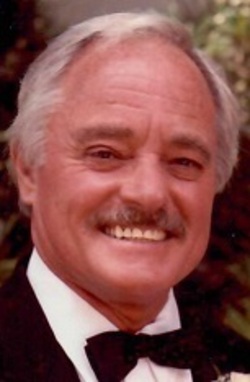
Henry Nyeholt, a great teacher and my “Mister Rogers.” Kindness is one thing we never forget.
Mister Rogers’ Neighborhood hadn’t aired yet, but in seventh grade Mr. Nyeholt was my Mister Rogers: someone who makes you feel good about yourself. On the surface he couldn’t have been more different: whereas Fred Rogers was plain and dweeby, Mr. Nyeholt was dashing and athletic. But in the most important way Mr. Nyeholt was similar: He had a calm, steady voice, never lost his temper and never spoke sharply to anyone. He listened, and treated his students with respect. As a result, nobody acted out in class. We’d all found a friend.
When I saw his picture in 2015, I remembered what a great guy he was. I googled his name and amazingly located Mr. Nyeholt right away. He was still living in West Covina fifty years later, and his address and phone number were online. I dialed his number.
“I’d like to speak with Henry Nyeholt,” I said when a man answered the phone. It was his son-in-law. He asked why I was calling and when I said I’d been a student of Mr. Nyeholt years ago, he stepped away to bring him to the phone. I was nervous. “Mr. Nyeholt,” I said when he picked up. “I’m sure you don’t remember me but you were my English teacher at Cameron Junior High…”
“Oh? Well, in that case you must be old!” he joked.
“I am. I found you online and I just wanted to tell you what fond memories I have of being in your English class. You were kind and you treated your students with respect. You were a wonderful teacher and I want to thank you.”
There was a brief pause. “That’s very nice of you,” he said. I think he was startled.
Mr. Nyeholt told me he was ninety one, still married to his wife of sixty six years, and had retired many years earlier. I didn’t know what to say next, so I wished him well and said goodbye. The phone call lasted three minutes at most.
The next day I emailed three friends who were at Cameron Junior High with me. When each responded and said how much they liked Mr. Nyeholt — April: “He was kind, soft-spoken”; Donna: “I appreciated him for motivating us to find an interest to study on our own all year”; Alan: “I owe him big time” — I decided to print out their remarks and mail them to our former teacher.
Two weeks later I received a letter from Mr. Nyeholt’s daughter, telling me how elated her dad was to receive the phone call and subsequent mail. That felt good. A couple of years later, I googled Mr. Nyeholt again and read that he died in December 2017. I learned he was a Navy veteran. A father of five, grandfather of ten. He taught school for thirty five years and, like most schoolteachers, he was probably undercelebrated.
There are bad teachers in everyone’s life; I had my share. The great ones are a rare and wonderful occurrence. If you have the opportunity to thank a teacher who’s still living, do it now. For yourself, and for that person whose gift will always be with you.
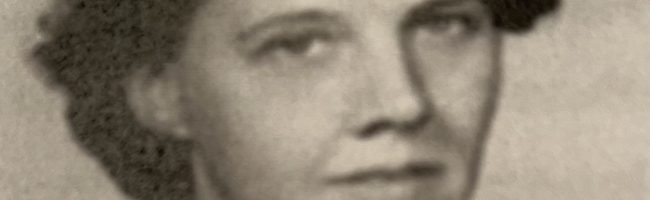
Frances Henne
I’ve been inspired by many fine teachers over the years but the one who influenced me most was Frances Henne, my professor at Columbia’s graduate library school.
Not a household name and surely not recognizable outside her field, Dr Henne was a mover and a shaker in the children’s and young adult library world.
Born in Springfield, IL in 1906, Henne graduated from University of Illinois with a BA, and then got an MA in English while working at the Lincoln Public Library. Library work intrigued her and she went to New York for library studies at Columbia, and then to University of Chicago Graduate Library School for her doctorate.
Henne then accepted a teaching position at University of Chicago – the first female faculty member appointed there. There in addition to instructing, she began to write about the importance of giving youngsters access to good literature, and the travesty of districts where school libraries were underfunded or non-existent. Although her first love was the literature, she worked tirelessly on improving and codifying standards for children’s and young adult collections in public libraries, and for libraries in elementary and secondary schools.
Luckily for me Frances Henne had left Chicago and was teaching at Columbia in the 1960s when I was a grad student there. Of course her work with library standards and education policy was well known and she continued to advocate for that.
But thankfully she also taught two courses dear to her heart – children’s and young adult lit. And sitting in that graduate school classroom and listening to Frances Henne reading from Charlotte’s Web, and explaining why children need to hear it, is something I’ll never forget.
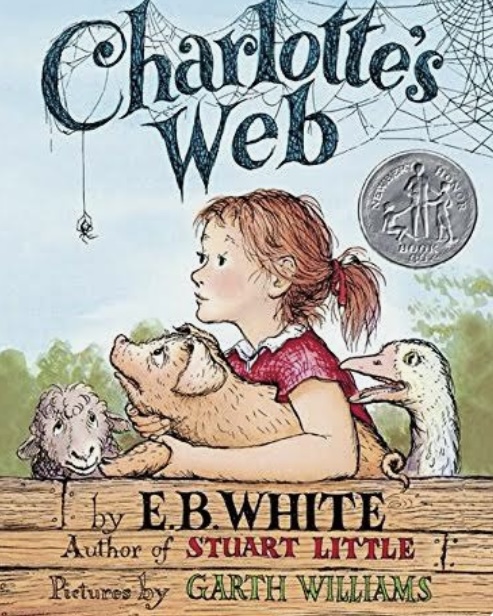
– Dana Susan Lehrman
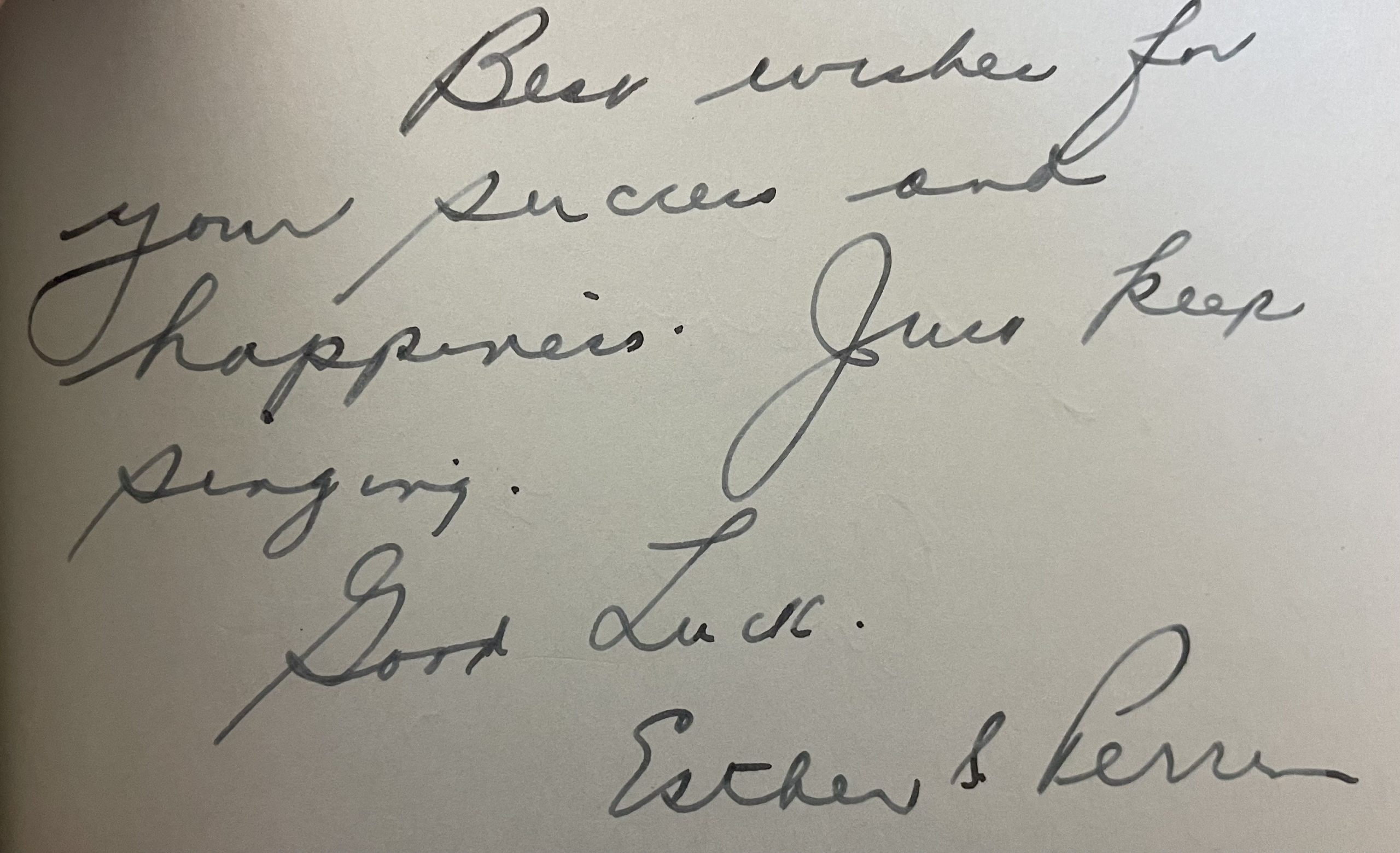
If there were a fitting phrase to describe my academic prowess in elementary school, I believe I would have been described as an “airhead”, My elementary school reports were mediocre. My kindergarten report card was sprinkled with a few “N’s” for “Needs Improvement”, and the comment on my kindergarten report card was “talks too much and loves to dance for the class.” My parents didn’t seem to care. I was a girl and they had my brilliant older brother to brag about.
My parents had very low expectations for me academically. They saw me as affable, talented in music, with average intelligence. I once heard my father say, “It’s a good thing she’s pretty!” My mother had been a good math student and had an amazing talent with words. She would do the Sunday NY Times crossword quickly and in ink. I felt I was a disappointment to her for not having the same skills.
My first few years I glided through the school system as an uninspired student. But there were glimmers of hope when in the fifth grade I was lucky to be in Mrs. Perrin’s class and received an “outstanding” in social studies! Surprised, I asked her why. I had never received anything better than an “S” for “Satisfactory” by any teacher. She said, “Because you are excellent in social studies”!
So Mrs. Perrin was the first teacher to make me feel really good about myself, and she became my all time favorite. Fast forward 12 years and I found my first job in my old elementary school which had been converted into a junior high. My first day on the job was meeting my 8th grade class and I felt overwhelmed by the administration of delaney cards, seating charts, attendance and, most of all, discipline. Mrs. Perrin was still on staff and remembrered me! She swooped into my classroom and guided me through my first day jitters.
I have to admit, however, that It was a little awkward for me when i mingled with the staff in the teachers’ room. I loved chatting with the fellow teachers but I could not bring myself to call Mrs. Perrin by her first name. In the few years that our careers overlapped at JHS 127 in the Bronx, I could never call her “Esther”. But the greatest satisfaction I had was not only working with my beloved 5th grade teacher who gave me confidence in myself. It was because I was now licensed by the New York City Board of Education to teach …..social studies!