
My Aunt Rocks!

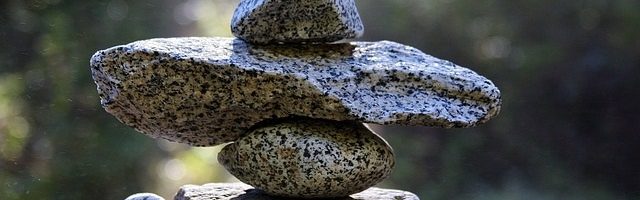
Her name is Rockie, but don’t take her for granite. One of her jokes.

Her given name is Rokama. According to several sources I consulted, in Hebrew the name means “comforted.” Or beloved. Or one who has received mercy. Or possibly: compassion. They all fit.

If I had to name some of the influential women in my life, Rockie is right up there at the top. More than any other woman in my life, Rockie has listened to me talk about the things that are on my mind and in my heart. And I’ve done my share of listening to her too: stories of her young life, her teenage years, her life as a young wife and mother, her perspective on motherhood and grandmotherhood. We’ve talked about current events, late-in-life advanced degrees, things we’ve done as young women that we look back on now and wonder how the hell we did all of that. The table in the picture is where we sat, often late into the night, talking, reminiscing, and sharing some deep thoughts and a lot of laughter.
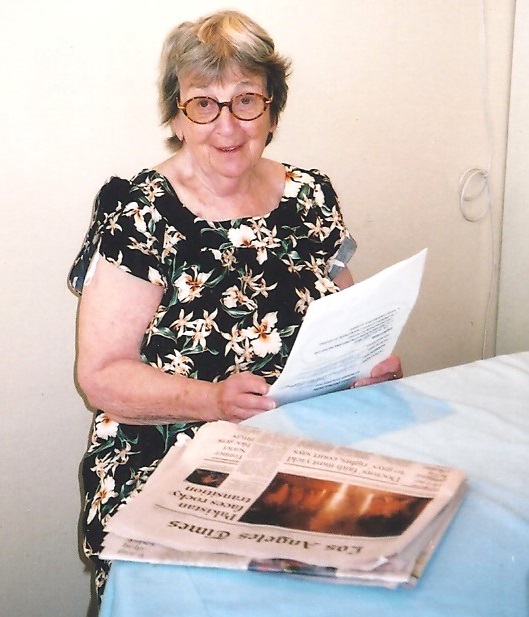
 

 Over the years, I have logged in hundreds (if not thousands) of hours late into the night, sitting across from her at this table.

I’m sure she remembers my escapades as a reckless teenager on vacation at her family’s home in a Southern California beach town, where I continued to visit until she and my uncle relocated to a different home recently.

I’m grateful to her for her patience and her understanding as I navigated through my tormented teens, making everyone in the house suffer through my theatrical breakups. She kept an eye out as I embraced the freedom at the beach, where life was relaxed and the possibilities limitless.

If those walls could talk, I have a feeling she’d know what they would say.

Even when I was a kid, I appreciated the way she made the smallest things more fun. I remember being so excited when I could sleep over with my cousins at their house, where the beds were made up with sheets in colorful stripes and flowers– a revelation to a child who slept on plain white at home. Color, fun, excitement, unconditional love: they all seemed to come together under her roof. And she gave the best birthday presents of anyone, perfect for whatever age I reached.

Our conversations sometimes go over familiar territory, but it doesn’t matter. If it’s the hundredth time we’ve talked about the same bit of family history, so what? We may have left something out the other ninety-nine times. I can always learn something new, shake my head over things I could not or cannot change or understand, and discover the meaning of a long-ago set of circumstances. And much goes unsaid, since there’s a certain shorthand we both know. Any mention of my maternal grandmother, for instance, and we both roll our eyes and sigh. To say she was a piece of work doesn’t do her justice. And knowing all of that makes other things a little easier to understand.

As we both get older, there is a little more conversation devoted to what she calls “organ recitals.” She’s had her share of health-related issues, and so have other members of our family. But that’s not all we can talk about. She is still my “go-to grown-up” when I’m facing something big and scary.

She is compassionate and beloved, without question. She’s been my rock on more than one occasion.

I count myself lucky to have these two women in my life: the best aunts in the world. And I will never take either one of them for granite.
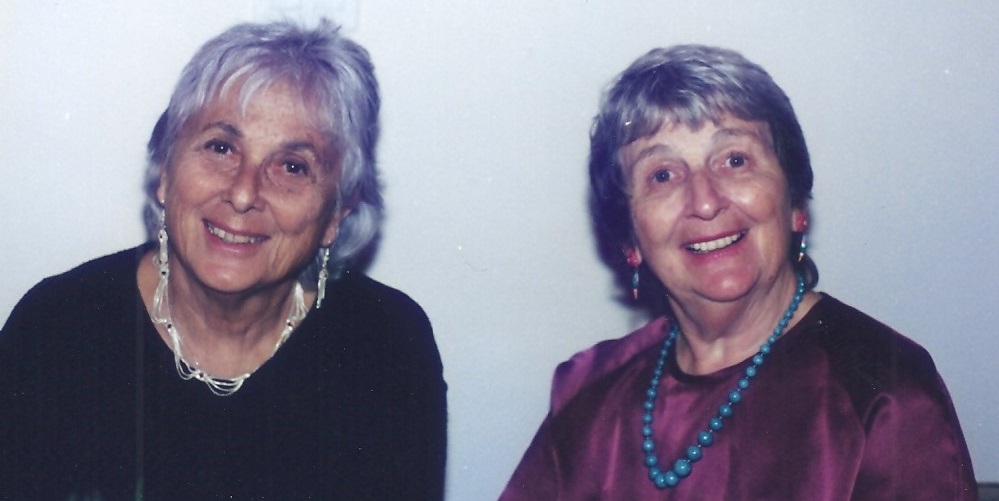
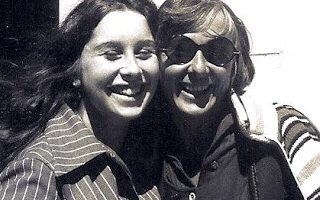
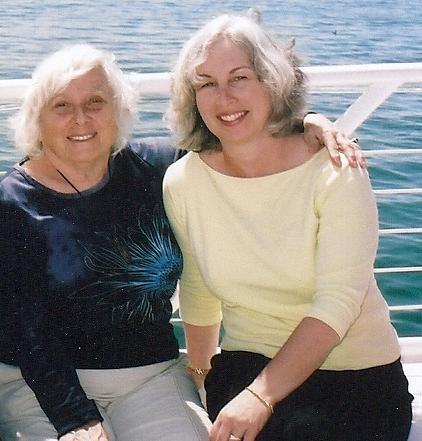
Ruth and Rockie

Ruth on the left, Rockie on the right

 

My Favorite Uncle

“I’m fine. Don’t tell your mother; she worries too much. That’s why, you know.” And I didn’t tell. What ten-year-old would squeal on his favorite uncle?
Read More

My Aunt Ruth

 Aunt Ruth used to chide me when I complained about being exhausted after chasing my young children around. “In my day,” she said, “we’d put the kids to bed—and then figure out how to save the world!”

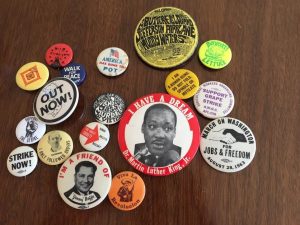
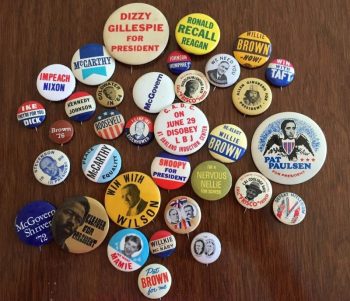
Saving the world meant throwing herself into the fray: she’d hoist a sign, march and demonstrate in the streets—for civil rights, for social justice, against the bomb, against the war, against the next war, and the next. She kept her vast collection of politically inspired buttons pinned to a large piece of felt, ready to stick on her hat or jacket as she headed off to the next rally or picket line: We Shall Overcome. Make Love, Not War.  Another Mother for Peace.

 
I loved the time we spent together during my summer visits to my aunt and uncle’s crowded apartment in L.A.  During these critical pre-teen years, my aunt matter-of-factly shared some important tips: she showed me how to apply three shades of lipstick, how to shave my legs without nicking divots into my shins, and how to have fun while shopping—things my mother hadn’t taught me.

A constant parade of unemployed writers, between-gig actors, labor organizers, and fellow progressives showed up at the L.A.  apartment, arguing politics over red wine and plates of pasta long into the night. Hugs and handshakes always followed the loud voices and f-bombs at evening’s end. Things were not like that at my house.

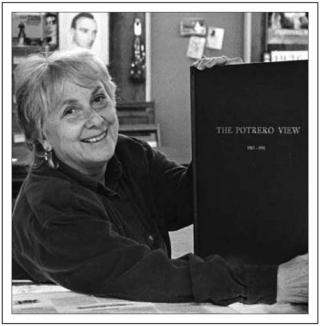
When her family moved back home to San Francisco, my aunt began contributing articles and photographs to her neighborhood newspaper, The Potrero View. She subsequently took on the roles of editor and publisher.

photo courtesy of the Potrero View

]During her three decades at the paper, Ruth was honored for her service to The View, and to the Neighborhood House, a community center where she helped organize after-school programs, classes for adults, and events that celebrated the scrappy diversity of the “nabe.”

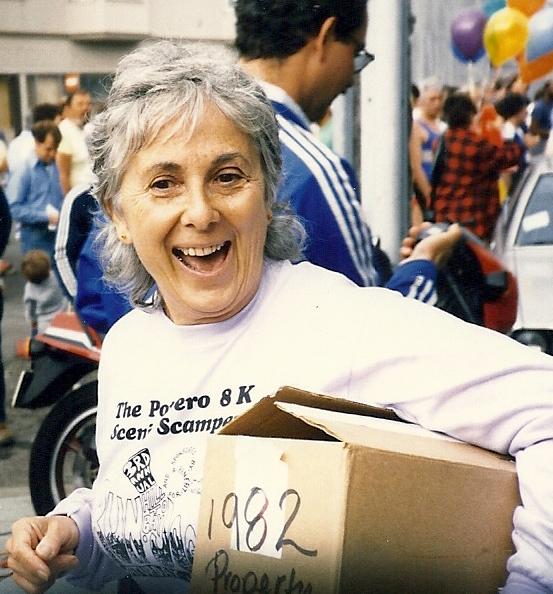
At the Potrero Hill Scamper

At an event honoring my aunt for her work, the mayor read a proclamation loaded with “whereases,” and declared a day in her honor. When he finished speaking, my father leaned toward me and pointed proudly at his “baby” sister. “Look at her—she’s the richest person in this room.”  And I knew what he meant.

My aunt encouraged me to write when I first got started, and published some of my essays in her paper—my first bylines. Writing was her passion. She talked about writing a memoir, but never started it. “I’m not a writer like you,” she told me once. “You do it for both of us.”

Ruth never pandered to anyone: you could always count on her to be outspoken, feisty, honest but kind, and a champion of the underdog. She would confront racism or social injustice wherever she found it, no matter who the guilty party might be. And she mastered the art of being cool without even trying.

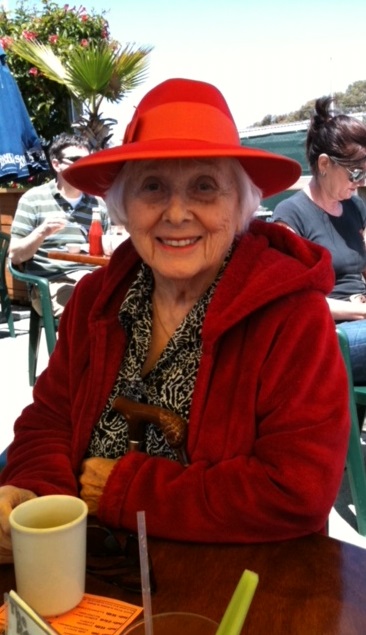
Staying cool, 2007

When I went back to graduate school at age 58, I hoped I could model myself after Ruth. She was always able to engage effortlessly with everyone: young and old, well-off and well-connected,  or down-on-their luck.

I often asked myself: what would Ruth do? And I knew that she would act like it was no big deal to be sitting in workshop with students a few decades younger. I could imagine her saying, “Get over yourself and do the work you came to do.”

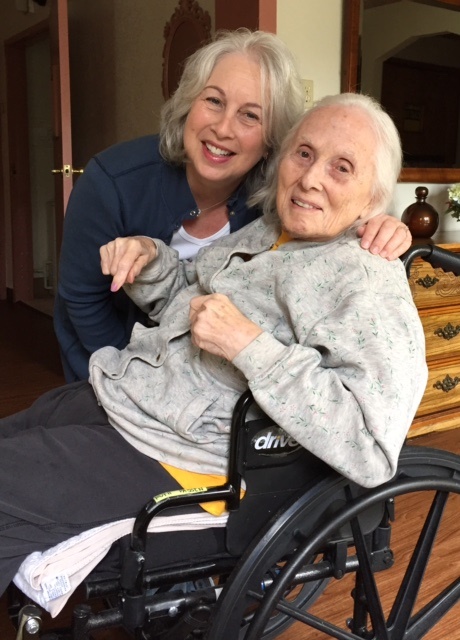
Now over 90, Ruth has slipped into the foggy world of dementia.It’s not the world she tried to save so many years ago, but that’s the world she lives in now. The sparkle is still in her eyes. At least, that’s what I want to see. And I tell myself she may not recognize me anymore, but she still  knows I’m someone who has always loved her.
R and R